

ZOZO the OUIJA Demon
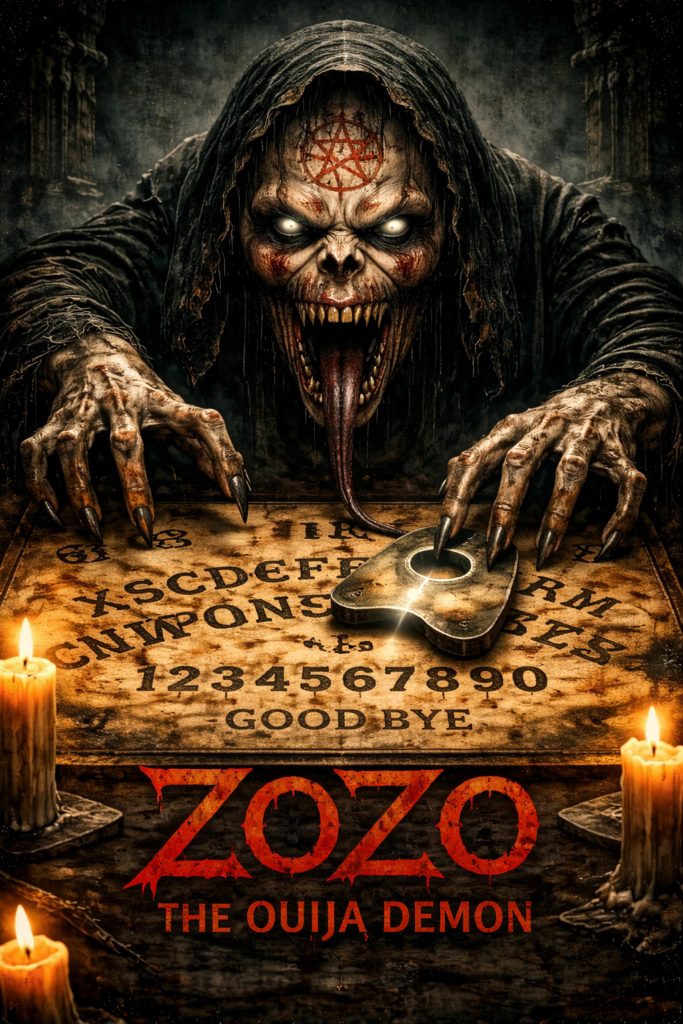
Zozo is one of the most infamous entities connected to the Ouija board and modern paranormal folklore. Unlike older demons from classical grimoires, Zozo’s fame mostly exploded through internet stories, paranormal forums, and later documentaries, books, and horror films.
What Is Zozo?
According to paranormal lore, Zozo is a malevolent spirit or demon allegedly contacted through Ouija board sessions. People who claim to encounter it often describe similar patterns:
- The planchette rapidly moving back and forth between “Z” and “O”
- The name repeatedly spelling:
- ZOZO
- ZAZA
- MAMA
- Sudden mood shifts during sessions
- Threatening messages
- Feelings of dread, nausea, panic, or oppression
- Claims of hauntings after the session ends
Believers say Zozo pretends to be friendly at first, then becomes hostile once communication deepens. Skeptics argue the stories are psychological suggestion mixed with folklore contagion.
Darren Evans and the “Zozo Phenomenon”
The modern legend really took off because of Darren Evans.
In 2009, Evans posted detailed stories online describing repeated Ouija encounters with an entity called Zozo. According to his claims:
- The entity appeared through multiple sessions
- It gave disturbing messages
- It allegedly targeted his family
- Strange paranormal events supposedly followed the encounters
After his story spread, many others claimed they had experienced the exact same name appearing during sessions. Evans later wrote a book called The Zozo Phenomenon.
This is where Zozo went from obscure paranormal rumor to full blown internet demon mythology.
Older Historical References
One reason Zozo fascinates people is that there are older references to the name.
A French demonology text from the early 1800s, associated with Dictionnaire Infernal, mentions a girl allegedly possessed by spirits named:
- Zozo
- Mimi
- Crapoulet
This is often cited by believers as proof the entity existed long before the internet.
However, skeptics point out:
- The historical references are extremely vague
- The modern Zozo mythology barely resembles the older account
- The internet likely amplified and reshaped the legend
Why People Think Zozo Appears So Often
Skeptics usually explain the phenomenon through the:
Ideomotor Effect
f(x)=unconscious motor response
The ideomotor effect is the same phenomenon used to explain Ouija board movement in general. Participants unconsciously move the planchette without realizing it.
There are also interesting psychological reasons the name may repeat:
- “Z” and “O” sit at opposite ends of many boards
- Fast sliding motions naturally hit those letters
- Once someone sees “ZOZO,” expectation and fear can reinforce it
- Internet stories create a feedback loop where users subconsciously reproduce the same experience
Basically, once the myth existed, people began priming themselves for it.
Connections to Pazuzu
Some paranormal writers compare Zozo to Pazuzu because of similarities in alleged possession behavior and because of pop culture links through films like The Exorcist. But there is no historical evidence that Zozo and Pazuzu are actually the same entity. That connection mostly comes from modern occult speculation.
Pop Culture and Media
Zozo became a major horror figure through:
- I Am ZoZo
- Paranormal podcasts
- YouTube investigations
- Ghost hunting shows
- Creepy pasta style internet storytelling
The legend now exists in the same modern folklore category as:
- Slender Man
- The Backrooms
- Black Eyed Kids
- The Elevator Game
A mix of folklore, fear, internet amplification, and personal belief.
Paranormal Perspective vs Skeptical Perspective
Believers Say:
- Zozo is a real demonic or parasitic entity
- Ouija boards can act as portals
- Repeated reports suggest something genuine
- The entity may attach itself to users
Skeptics Say:
- Ouija activity comes from subconscious movement
- Zozo is a self reinforcing urban legend
- Fear and expectation shape experiences
- The internet spread a memetic paranormal archetype
Either way, Zozo has become one of the most recognizable modern paranormal entities tied to spirit communication.